SCIENCE & INGREDIENTS
Understanding Nutrition Through Life Science
The "Second Messenger" Within Cells
Cyclic AMP (cAMP)
Cyclic AMP (cAMP) is the "second messenger" within cells, playing a core role in cell signal transduction. When cells receive external signals (such as hormones), cAMP acts as an intermediary molecule, transmitting these signals to the cell interior, regulating energy metabolism and physiological functions.
Key Functions of cAMP
Signal Transduction
As the "second messenger" within cells, transmitting extracellular signals to the cell interior
Energy Metabolism
Participating in the regulation of glucose metabolism, fat metabolism, and other energy dispatch processes
Physiological Regulation
Participating in the regulation of various physiological processes, including cardiovascular and nervous systems
Twice Associated with Nobel Prize Research
The significant journey of cAMP in life science research
From hormone action mechanisms to neural signal transduction, research centered on cAMP and related pathways has twice been associated with Nobel Prize-winning achievements, advancing modern life science's understanding of cellular information transmission mechanisms.
cAMP Discovered, "Second Messenger" Theory Takes Shape
American scientists Earl W. Sutherland Jr. and Theodore W. Rall discovered cAMP while studying hormone action mechanisms. Their research drove the establishment of the "Second Messenger" theory, opening a new direction for understanding intracellular information transmission.
Related Research Awarded the Nobel Prize
Earl W. Sutherland Jr. was awarded the Nobel Prize in Physiology or Medicine for his research on hormone action mechanisms. cAMP and the second messenger mechanism thus became an important foundation of modern cell signaling research.
Japanese Scientists Discover Chinese Red Dates Rich in cAMP
Japanese scientists were the first to discover that Chinese red dates are rich in cAMP, with concentrations tens of thousands of times higher than typical plants and animals. This discovery broke through the dilemma of extracting only trace amounts, pointing the way toward large-scale natural extraction.
Xinjiang Red Dates Show Outstanding cAMP Content
Further research confirmed that red dates from the Xinjiang region have particularly outstanding cAMP content, far exceeding varieties from other regions, providing a superior raw material direction for large-scale natural extraction.
cAMP-Related Neural Signal Research Again Associated with Nobel Prize
Research revealing cAMP's critical role in neural signal transduction and memory formation was again associated with the Nobel Prize in Physiology or Medicine. This further confirmed that cAMP is not only a regulator of cell metabolism but also the molecular foundation of higher brain functions such as learning and memory.
CAS Institute of Biophysics Advances Red Date cAMP Extraction & Application Research
CAS-related research forces continued to advance red date cAMP extraction technology, transitioning from laboratory to industrialization, laying a solid scientific foundation for D-bio's product development.
D-bio Applies Red Date-Derived cAMP to Modern Nutritional Products
D-bio leverages related patent technology authorization to apply red date-derived cAMP in modern nutritional products, bringing cutting-edge life science achievements into everyday nutrition.
Product Ingredients
Scientific Formulation · Food & Medicine Homologous
Core Ingredient
Red Date-derived Cyclic AMP (cAMP)
Supported by CAS-related patent technology authorization
≥19mg / 100mL
Product cAMP content
~1.9mg / 10mL
Per serving content
Formula Composition
Traditional nourishing ingredients & red date-derived cAMP
Multiple traditional nourishing ingredients together form the product formula. Formula ingredients are selected in accordance with applicable current catalogs; refer to the product label for specific ingredients.
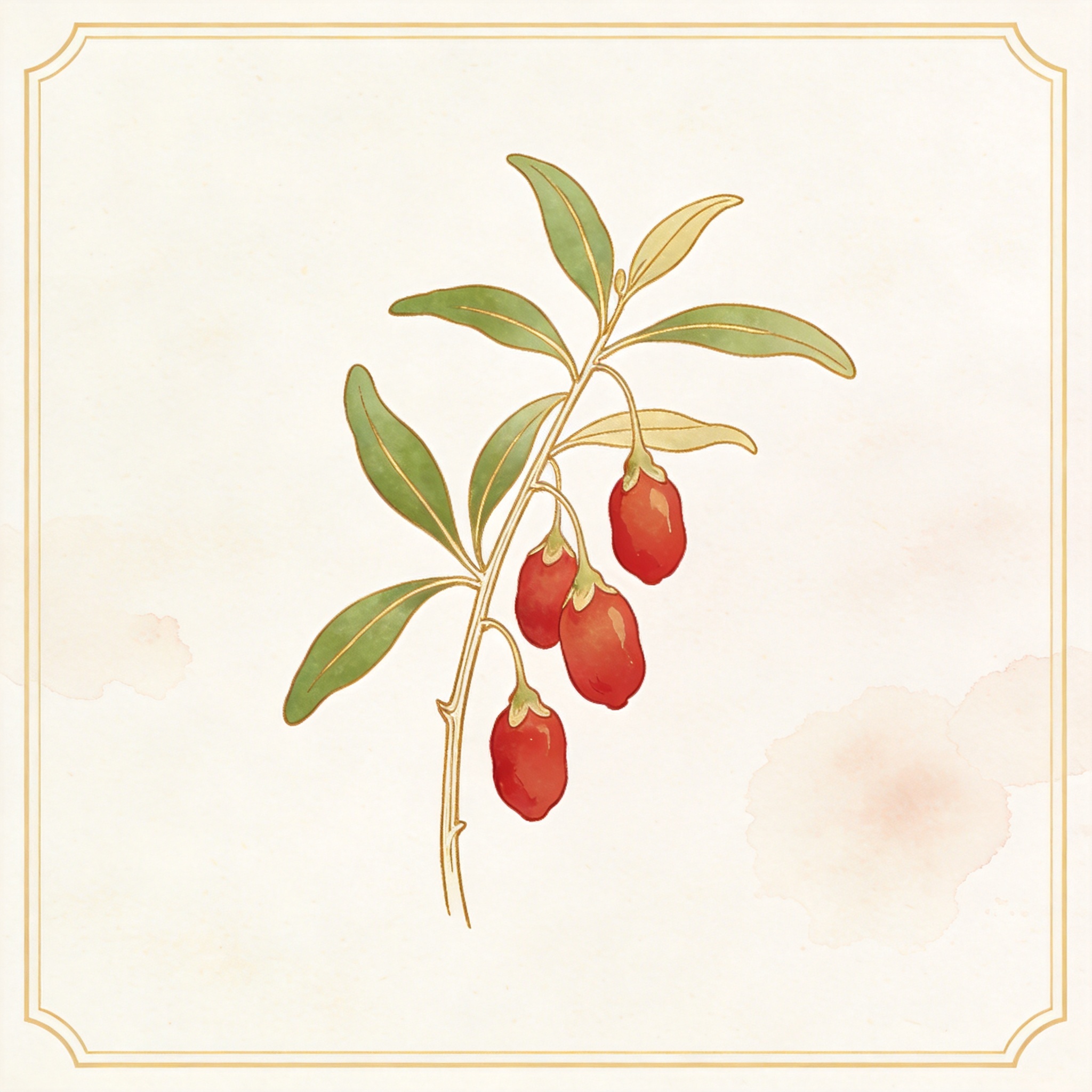
Goji Berry
Traditional nourishing ingredient
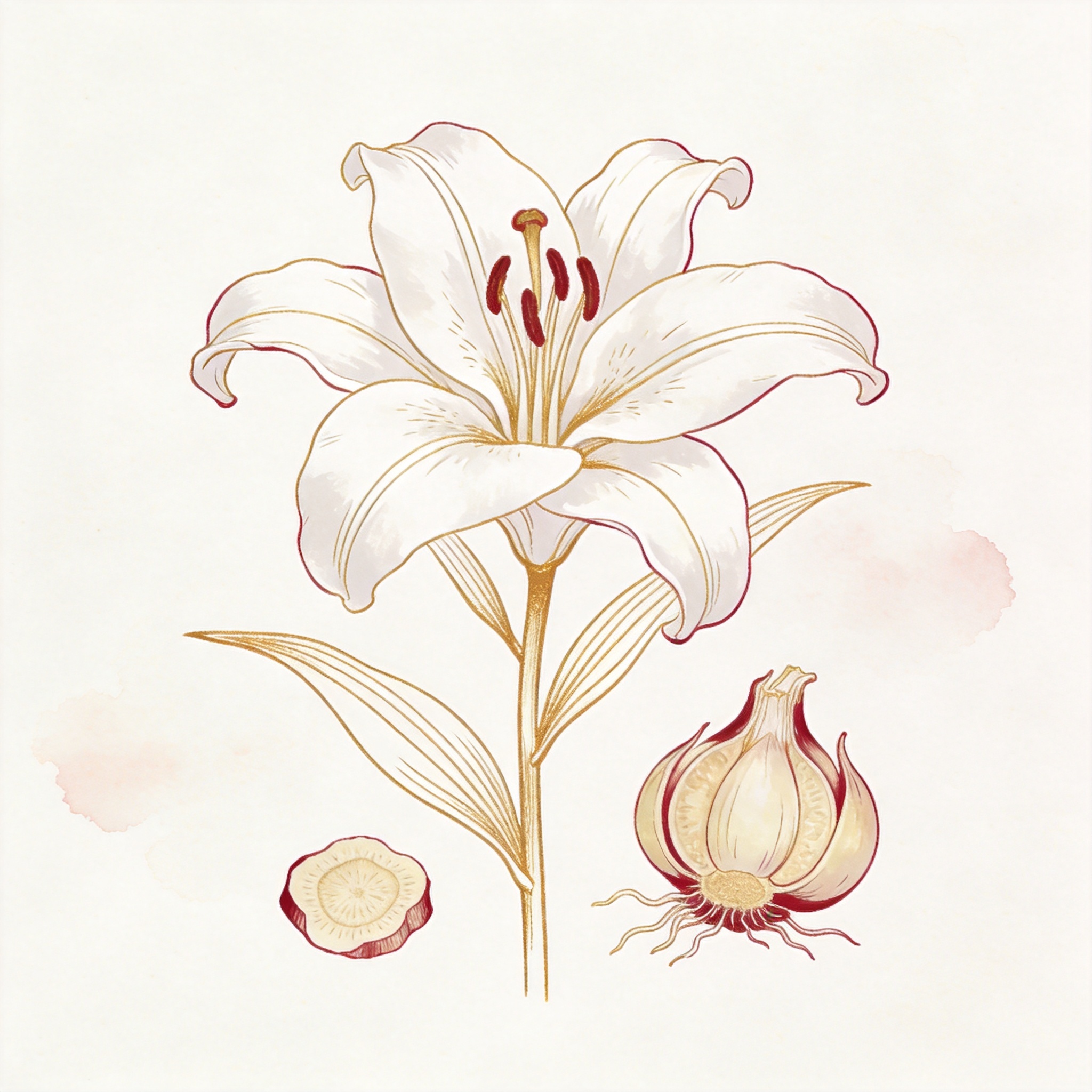
Lily Bulb
Traditional nourishing ingredient
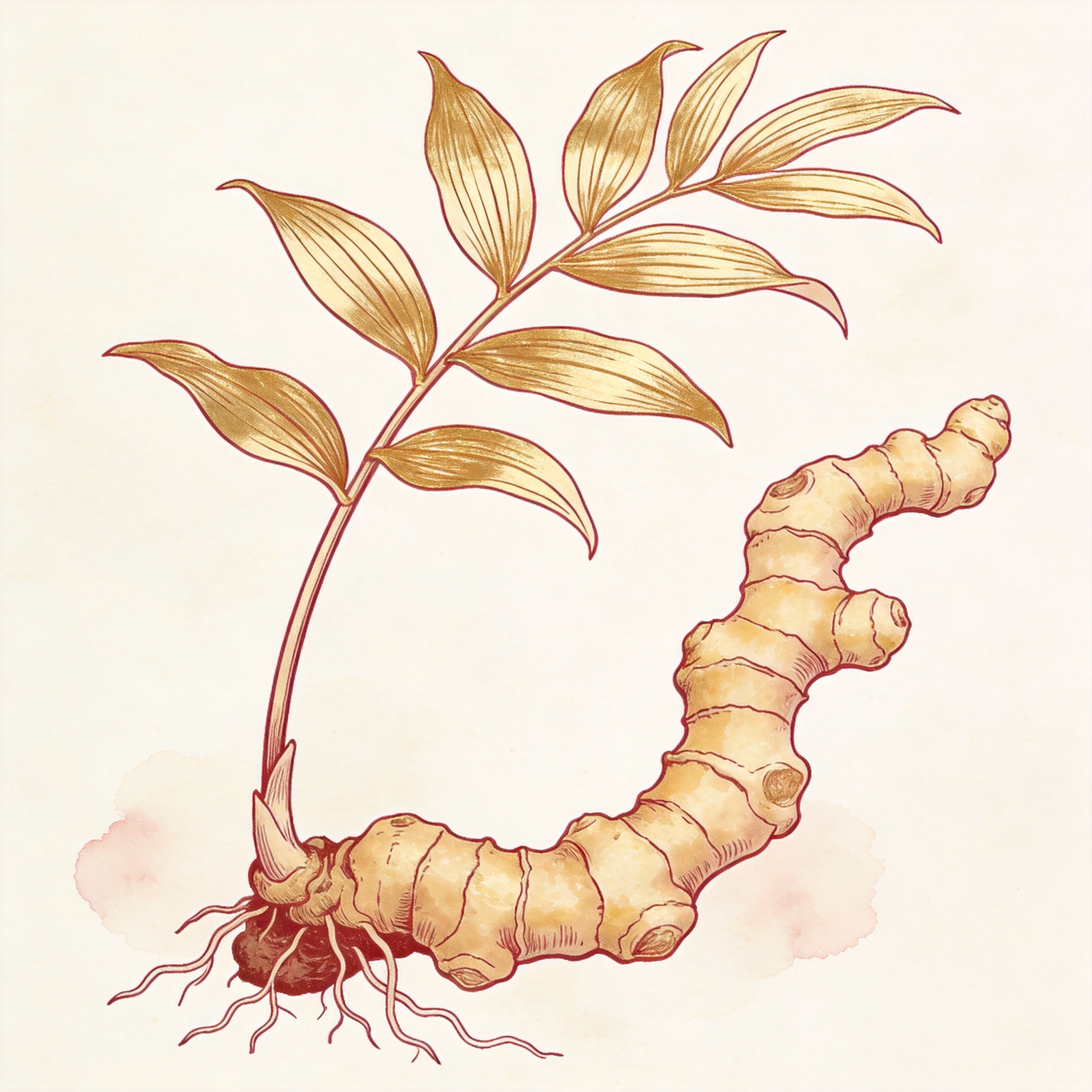
Polygonatum
Traditional nourishing ingredient
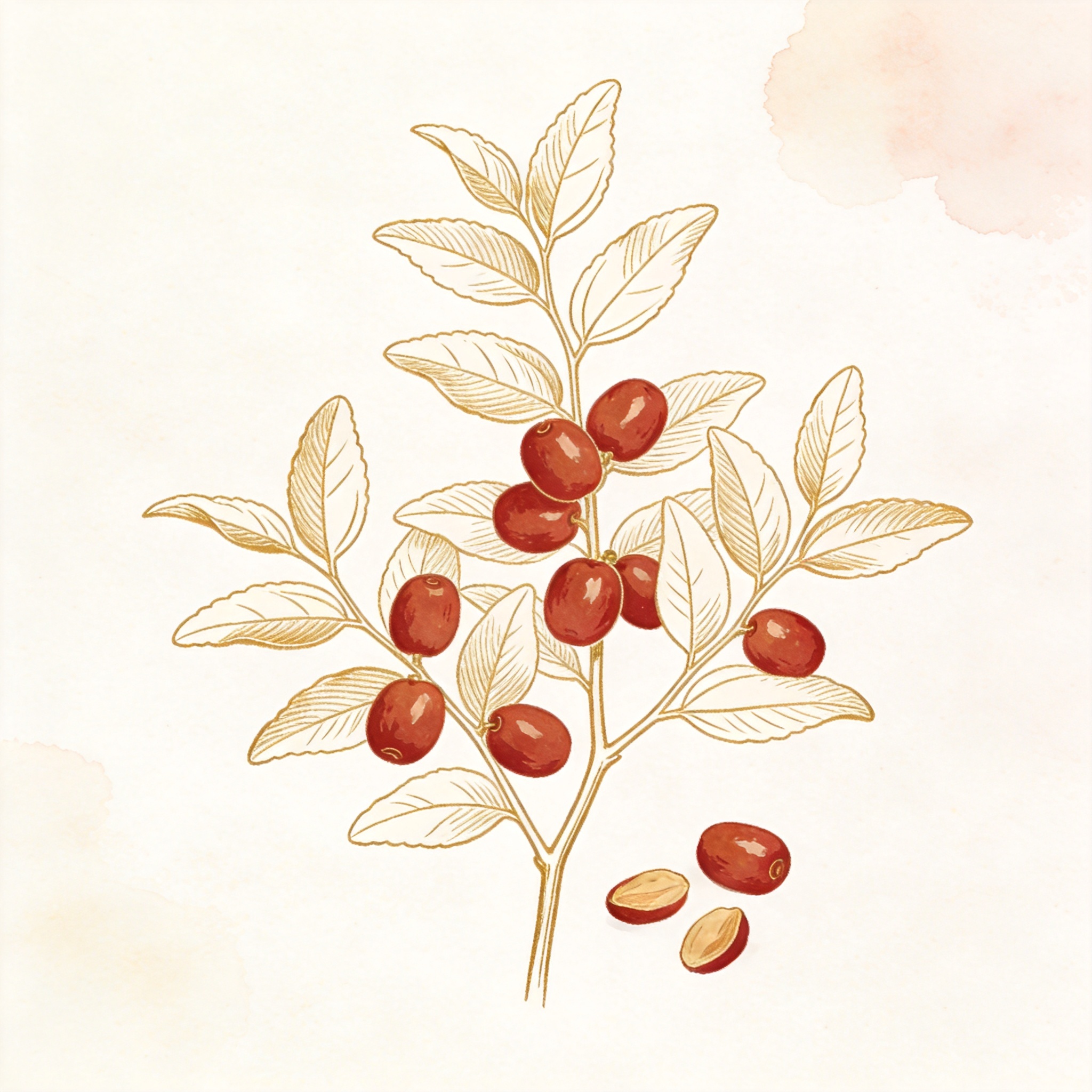
Sour Jujube Seed
Traditional nourishing ingredient
Ingredient Source
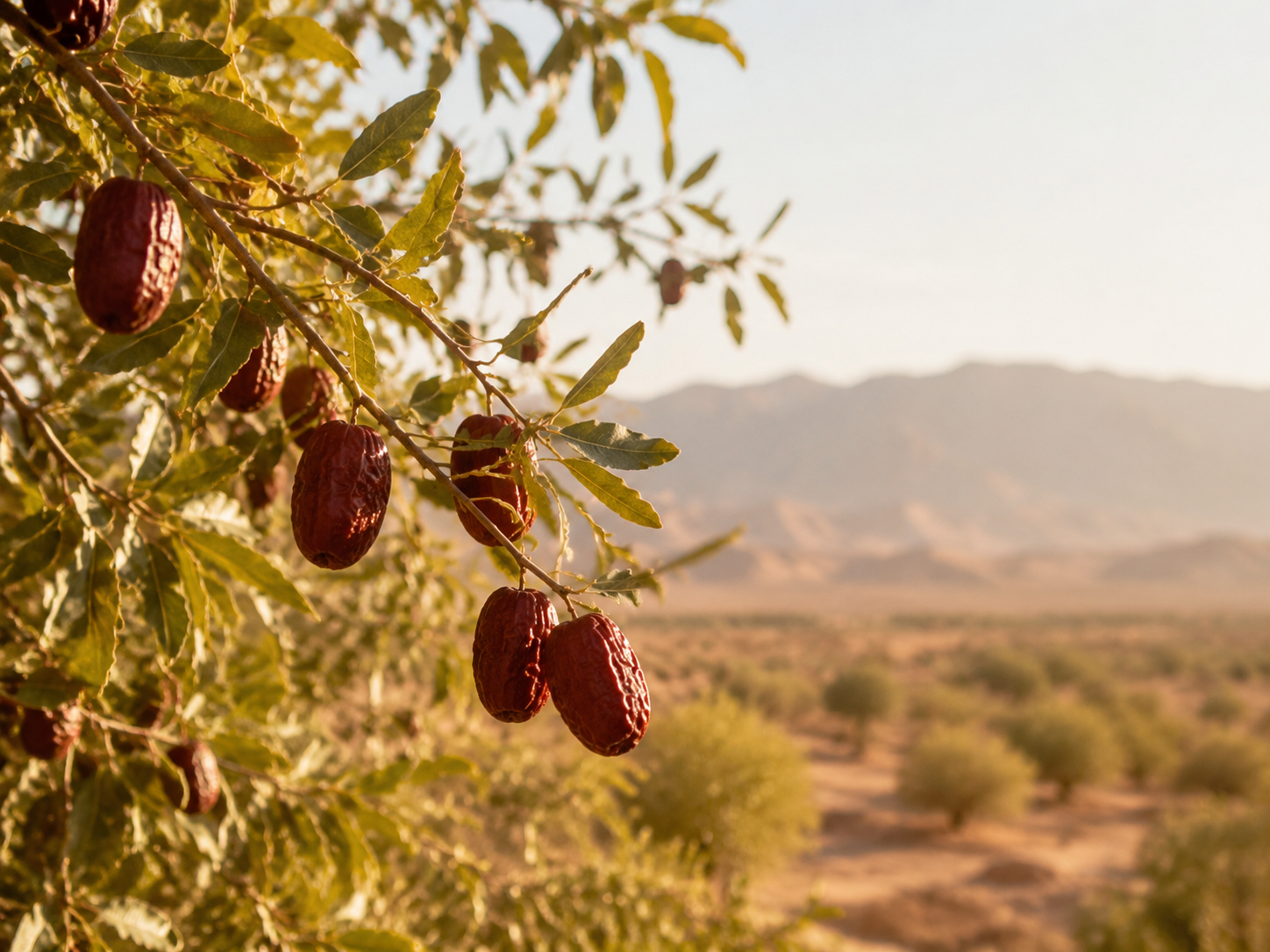
Xinjiang Ruoqiang Red Dates
D-bio selects red dates from the Ruoqiang region of Xinjiang as its raw material source. This region features abundant sunshine and significant temperature differences between day and night, allowing red dates to accumulate cAMP more fully, providing a premium natural ingredient foundation for the product.
The scientific information above is used solely to describe the life science background of cAMP as a substance and does not represent that this product has corresponding medical efficacy. D-bio Energy Drink is not a substitute for medication and is not intended for disease prevention, diagnosis, or treatment.